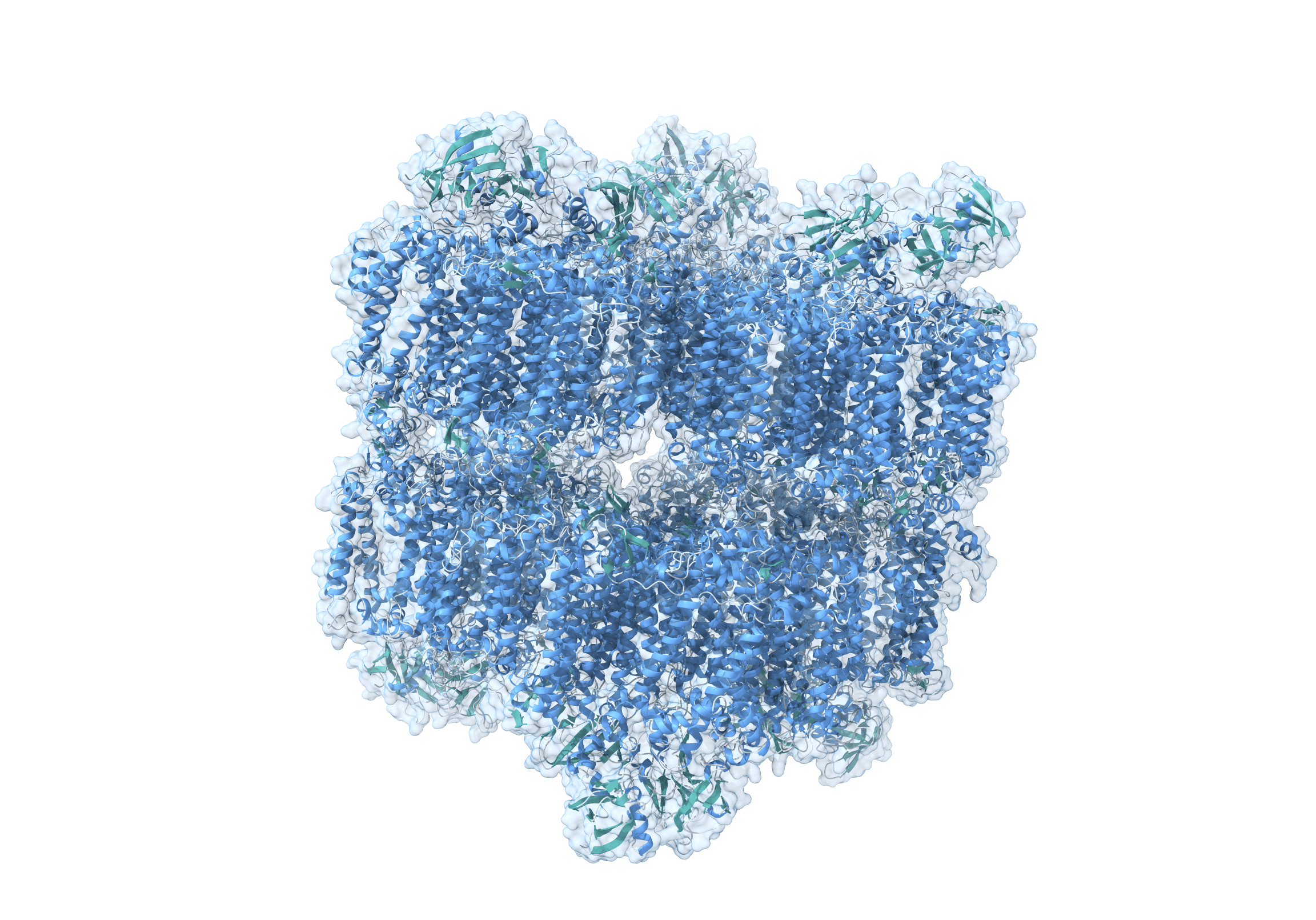
This guide maps computational protein design across structure prediction, de novo generation, inverse folding, active learning, antibody informatics, bioinformatics, and simulation. It is intended as a practical entry point for scientists choosing methods for a particular design question.
For structure prediction and docking, the article compares broad co-folding models with tools specialized for antibodies, T-cell receptors, ligands, and other modalities. It emphasizes that confidence scores accompany predicted structures and can help assess fold plausibility, but do not replace experimental validation.
De novo methods generate candidate binders or functional proteins from a target and design objective. Miniproteins have become a comparatively mature modality; antibody, nanobody, and peptide design methods are progressing, with hit rates depending on the target, pipeline, and experimental screen.
Inverse-folding models such as ProteinMPNN redesign selected positions while retaining a structural backbone. Stability tools, antibody-specific sequence methods, developability predictors, and language models can complement this step. Iterative active-learning workflows add assay results back into later design rounds.
The guide also surveys practical tool families for antibody humanization and liabilities, enzyme and ligand modeling, peptide design, sequence alignment, structural databases, molecular dynamics, and refinement. Its central theme is to assemble a workflow from task-specific tools rather than rely on one model for every modality.