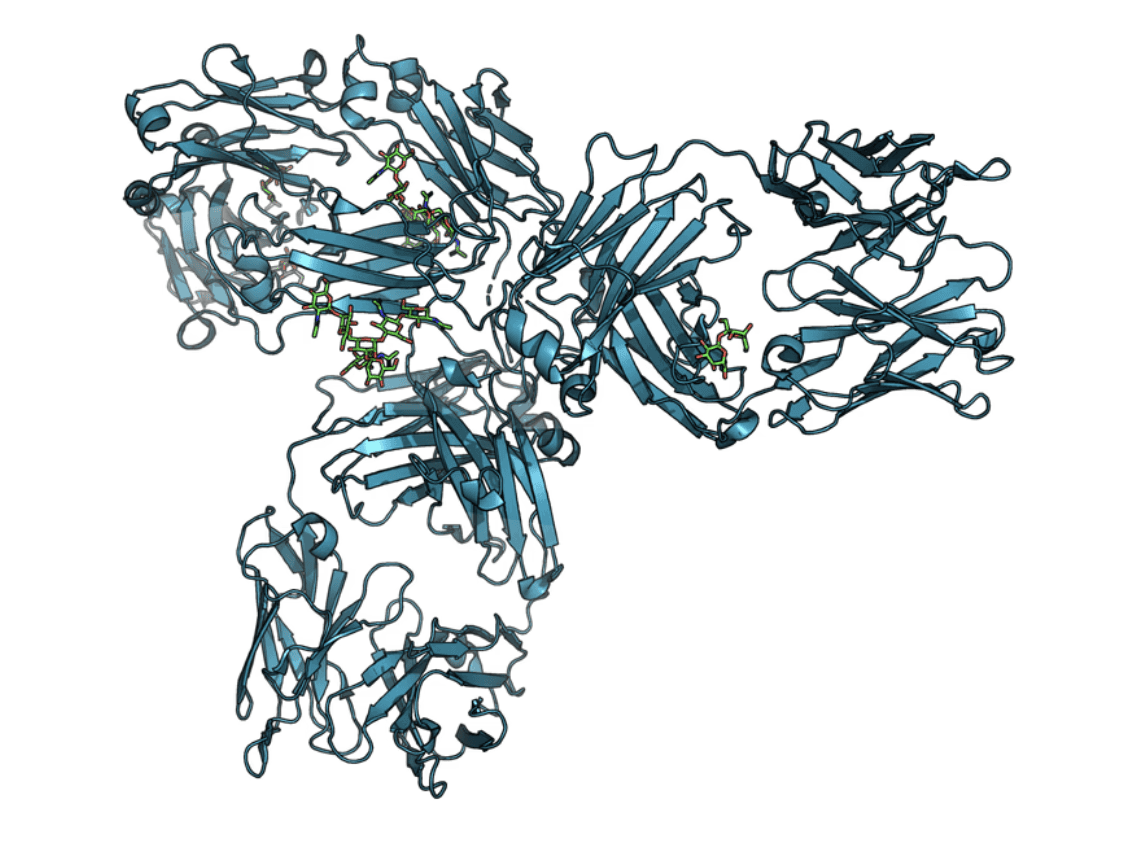
Boltz-1 is presented as an open model for all-atom biomolecular structure prediction that can be used commercially. The post compares its performance with Chai-1 and AlphaFold3 across structural metrics on CASP and a curated set designed to emphasize diverse, unseen structures.
The article describes several method components, including an MSA pairing strategy, unified spatial and sequence cropping, flexible pocket conditioning, and changes to diffusion and confidence modeling. These choices aim to balance prediction quality with compute and training efficiency.
Potential applications include antibody structure prediction, enzyme-ligand modeling, protein-protein interactions, and DNA/RNA-containing systems. The article links the open model to Tamarind's hosted interface, API, and high-throughput workflows for research teams.
The post's benchmark claims refer to the evaluations described by the authors. As with other structure predictors, predicted structures support prioritization and analysis but do not independently demonstrate binding or function.