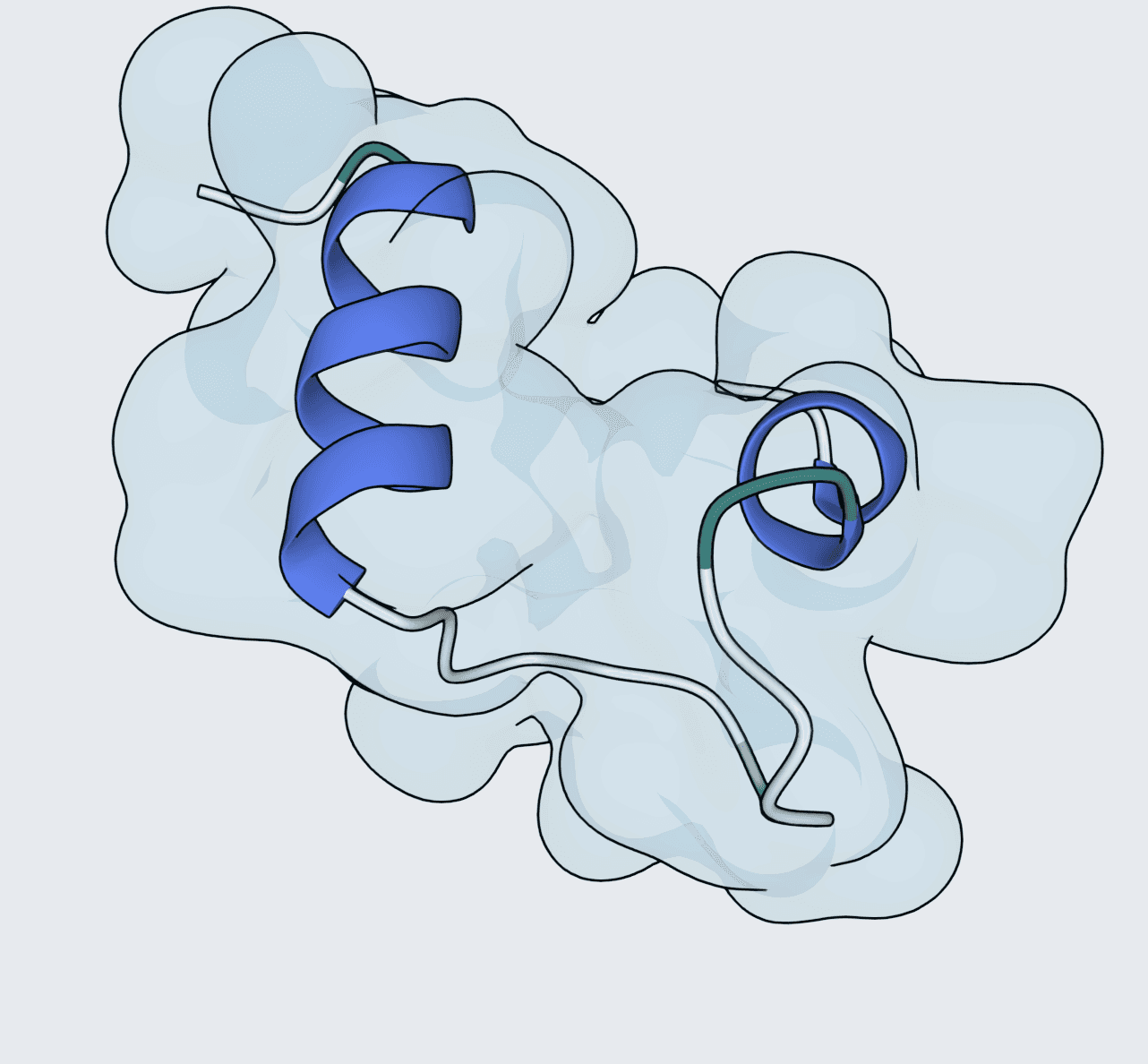
The post announces Chai-1r as an unrestricted commercial offering and summarizes Chai-1's reported performance across protein complexes, protein-ligand systems, covalent modifications, nucleic acids, and immune proteins. It highlights structure prediction without requiring a multiple sequence alignment.
For antibody-antigen docking, the article compares mean DockQ scores across Chai-1r, Chai-1, Boltz, and AlphaFold2. It also describes residue-distance constraints that let users specify an epitope; the cited evaluation reports substantial improvements when these constraints are provided.
The post positions Tamarind's web interface and API as ways to run Chai-1 and connect it with other design tools. The reported benchmark values are study-specific and should not be read as guaranteed accuracy for an individual complex.