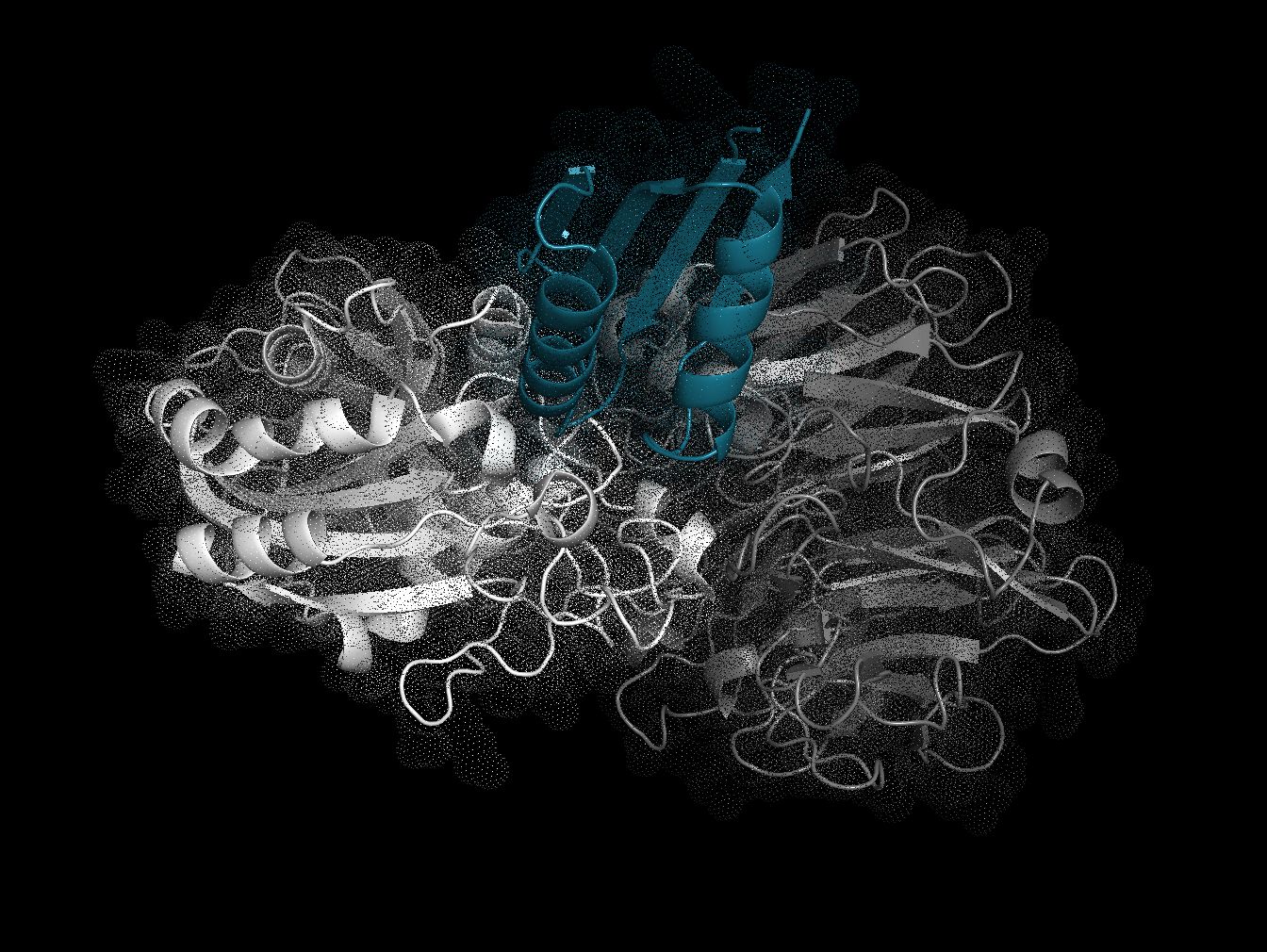
This article surveys possible therapeutic roles for de novo miniproteins, from viral inhibitors and receptor-targeting binders to delivery adapters and radiopharmaceuticals. It uses published examples to show where compact designed proteins might complement larger antibody formats.
The post discusses trade-offs such as short half-life, stability, immunogenicity, and tissue penetration. A small binder may clear rapidly through the kidneys, which can be a drawback for some therapies but useful for certain imaging or radiopharmaceutical applications.
Examples include designed binders tested in CAR-T settings and miniproteins conjugated to other agents. These are research examples rather than a claim that every computationally designed binder is a validated therapeutic; experimental testing remains essential.
The article closes by pointing to automated de novo design workflows as a way to generate candidates at scale for these applications.