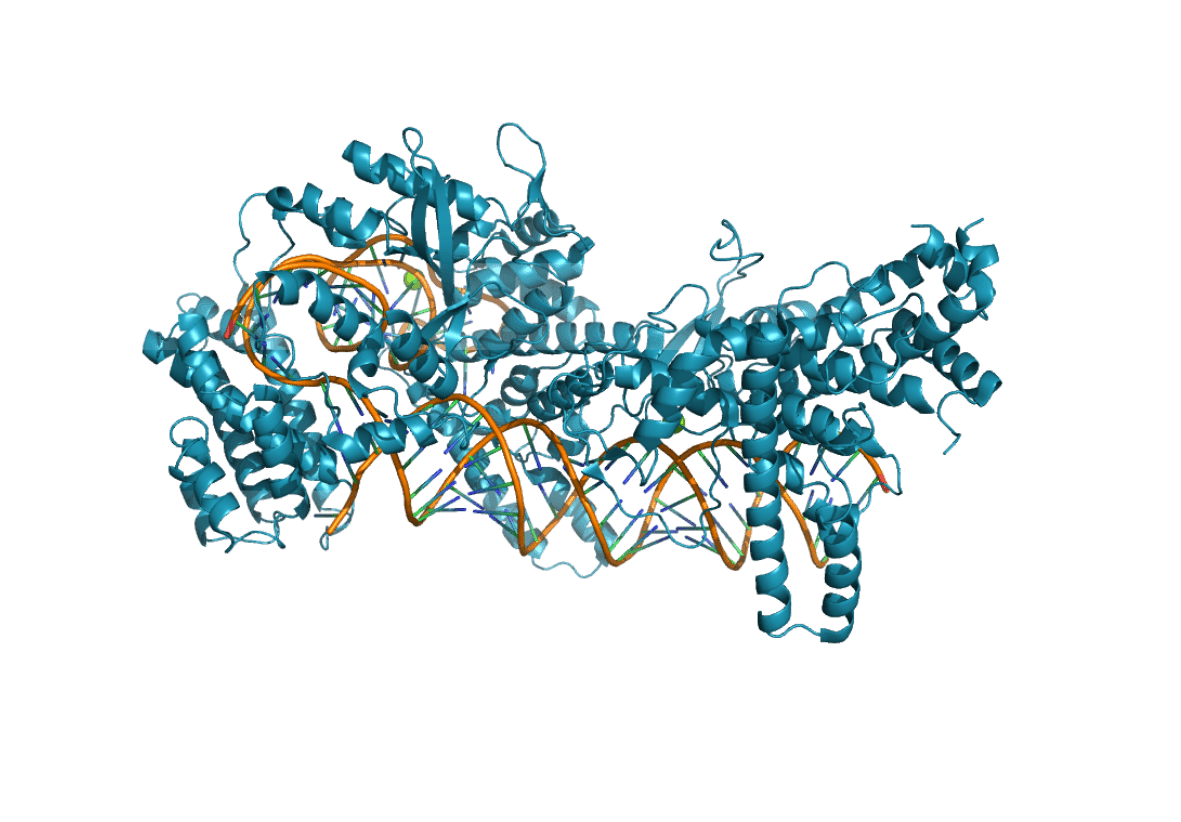
This article discusses the gap between AlphaFold3's broad scientific impact and the restrictions on its original weights for commercial work. It points to Boltz-1 and Chai-1 as alternatives that seek similar structure-prediction capability with commercial availability.
The launch described here combines browser access, a programmatic API, and high-throughput workflows. The article also mentions fine-tuning support and private cloud processing for teams working with confidential research inputs.
A separate section covers Chai-1 residue-distance constraints for epitope specification, which the referenced work found could improve docking, particularly for antibody-antigen complexes. The page invites teams to contact Tamarind about scalable use; it does not imply that every model has identical performance or licensing terms.